Operations leaders
Cut-off risk, exception queues, and a shared next action across sites.

Give customers and internal teams a single timeline of truth from PO acknowledgment through final delivery, with proactive exceptions, rationale capture, and APIs that keep CRM, ERP, and support tools in sync.
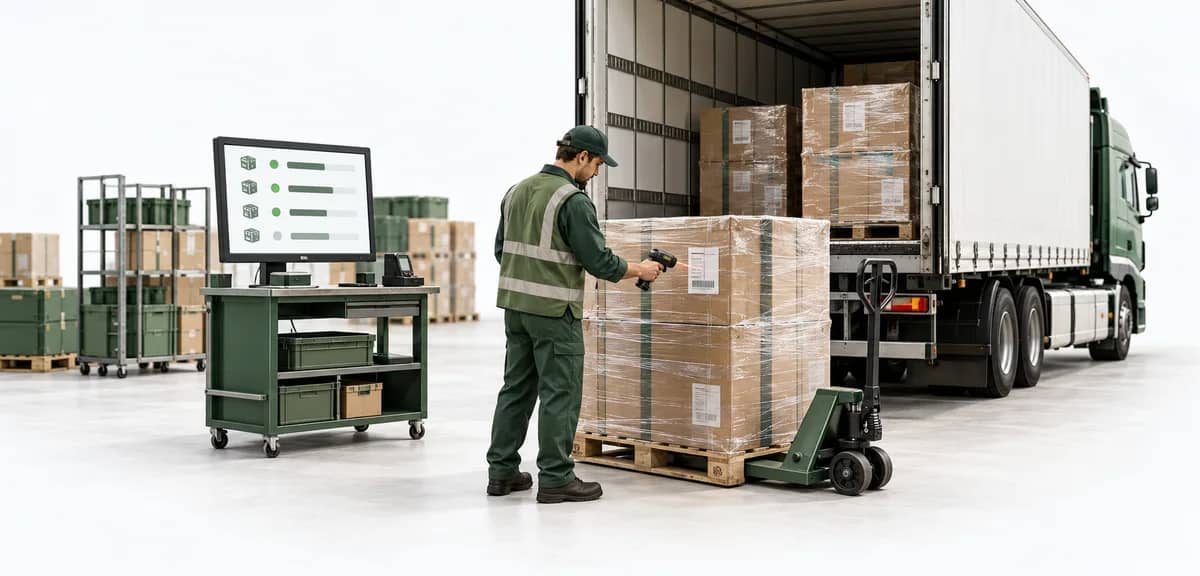
01 / How the industry runs
Most visibility projects stop at dots on a map. High-performing teams connect events to workflows: credit holds, alternate sourcing, appointment reshuffles, and customer notifications triggered from the same graph. We design state machines and human-in-the-loop steps so automation is practical, not naive. Performance is a feature. We paginate aggressively, prefetch likely drill-downs, and cache cold paths so control-tower users stay productive during incidents.

Orders, inventory, and carrier capacity become one plan before cut-off.
Waves, packing, and dock appointments stay tied to the customer promise.
Dispatch, tracking, and partner events update the same shipment record.
02 / Use cases
Operations leaders
Earlier swaps and tender adjustments driven by fused signals, not Monday morning spreadsheets.
Customer service
Deflect repetitive tracking calls and shorten mean-time-to-resolve when issues do surface.
Finance teams
Immutable timelines for regulated goods, insurance claims, and SLA chargebacks.
3PL operations and customer service
Keep pick, dispatch, and delivery status on a single shipment so service never has to reconstruct the story.
03 / Who uses it
Give each team the information and tools they need to do their part.
Cut-off risk, exception queues, and a shared next action across sites.
A status they can tell the customer, with evidence, not a guess.
Activity and cost tied to the same shipment that operations ran.
04 / Where we can help
Explore the capabilities below to see the workflows and features we can build around your operation.
What’s included
EDI / API / CSV ingestion with schema validation and quarantine lanes. GPS, telematics, and IoT enrichment for over-the-road and yard assets. ASN, POD, and customs status normalization into canonical events
What’s included
Branded track-and-trace with entitlement-aware detail levels. Internal control towers with cohort filters and escalation paths. Embeddable widgets for commerce and support surfaces
What’s included
Rule-based and ML-assisted ETA adjustments with confidence bands. Exception playbooks that open tasks in ITSM or Slack. Simulation sandboxes for what-if disruption scenarios
05 / How it connects
We connect the systems that already hold orders, inventory, and carrier events. Replacement is a last resort.
Systems we typically connect
Designed into the build
06 / AI in this industry
We apply AI to a task your team already owns. A person still reviews anything that changes money, safety, or a customer promise.
Explore AI ServicesExtract references and flag missing fields for an operator to verify.
Rank issues against customer promises; dispatch retains recovery decisions.
07 / What operators tell us
Common challenges we address when planning a system with your team.
Sales sold a date. Fulfilment and the carrier are looking at different records.
Expedites and manual reconciliation never land on the invoice that created them.
References, milestones, and files arrive in a different shape each time.
08 / How we deliver
We start from the workflow and systems you already run, then release something operators can accept or send back.
Users, systems, and the first capability worth shipping, named with the people who run it.
Scope, data ownership, integration boundaries, and how your team will accept the work.
Working software in the real workflow, including the exception paths people actually take.
Rollout, support, and the next capability against the measures you already collect.
Want this scoped to your operation?
Discuss your requirementsKeep looking
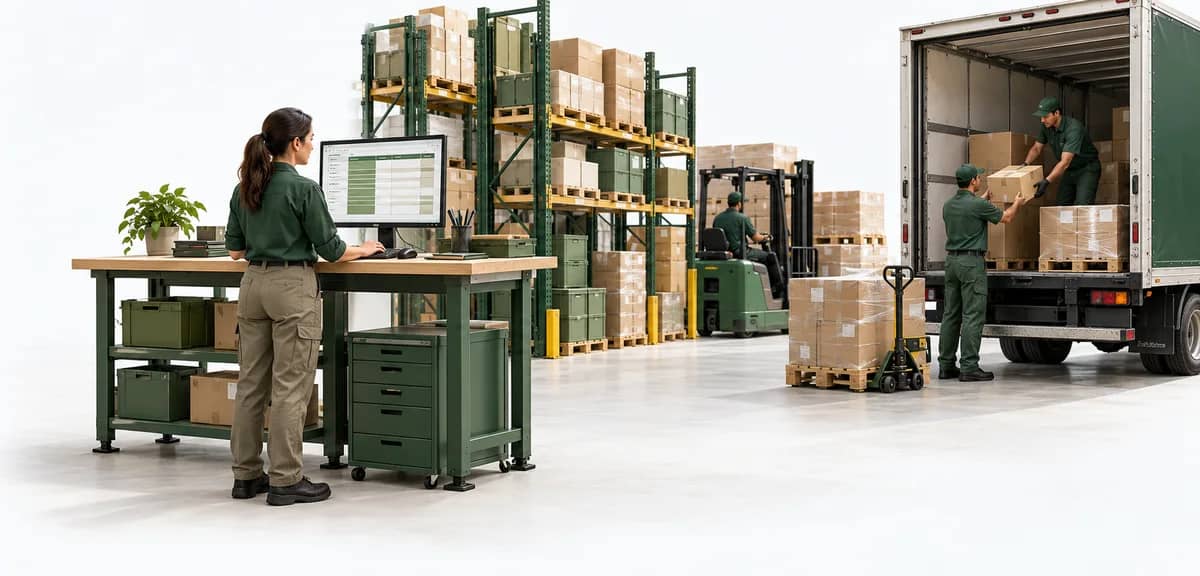
From demand shaping to fulfillment, we design and ship SCM platforms that connect planning, execution, and finance so teams can make decisions from one clear operational picture.
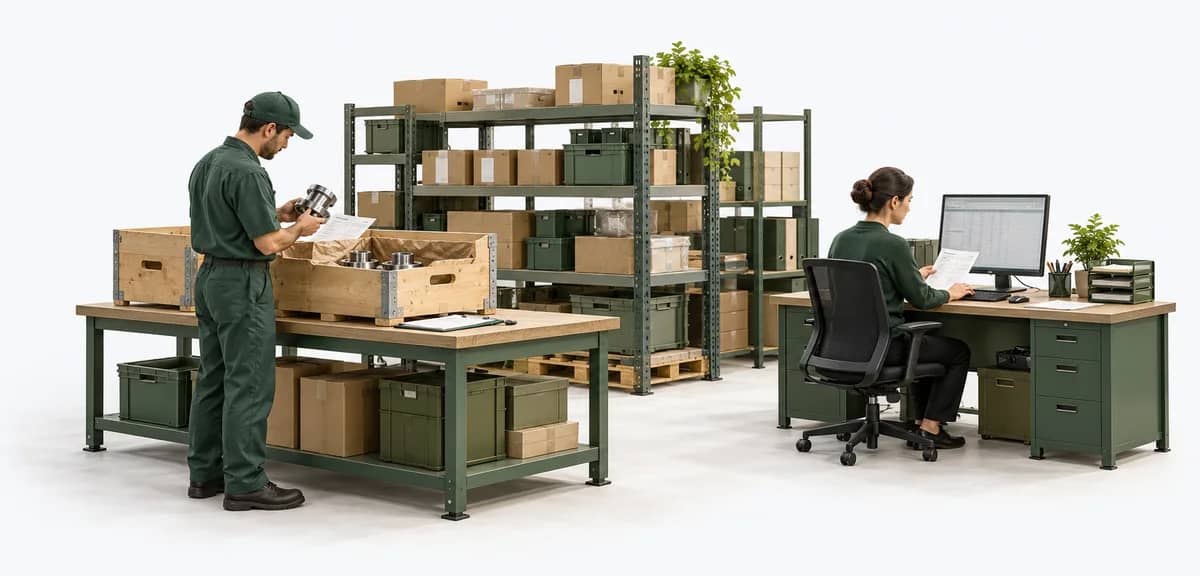
Bridge the gap between finance truth and warehouse reality: synchronized item masters, costing, intercompany transfers, and landed cost so shipments, invoices, and inventory valuations stay reconciled as volume and SKU complexity grow.
Questions
Depends on carrier and partner data quality. We engineer for graceful degradation: show last-known-good, confidence intervals, and data latency badges so users trust the UI even when upstream feeds stall.
Yes, white-label domains, per-tenant branding, entitlement scopes, and SSO patterns are common requirements for 3PLs and manufacturers serving regulated buyers.
Often yes. We integrate or federate where you already have contracts, and fill gaps with custom workflows, pricing logic, or partner-specific SLAs the SaaS tool cannot model.
We often pair Next.js or React frontends with Python/FastAPI or Django services, event buses for ingestion, and columnar stores for analytics, while matching your constraints and in-house skills.
Tell us what needs to work better in supply chain visibility platform, the systems you use, and the scope you have in mind.
Discuss your requirementsShare your requirements through our enquiry form.Explore our approach to backend, web, mobile and AI engineering.
A little closer, wherever you are
Product engineering, AI and Odoo ERP, with a shared plan and a working rhythm built around your team.
Different time zones. One shared vision.
Explore our global presenceTechnology, automation, AI, and how digital products actually get built.