

In this article
Agriculture has always been one of the most essential industries in the world. It feeds populations, supports economies, and sustains rural communities. But modern agriculture is no longer only about planting and harvesting crops.
Today, farmers and agribusinesses manage complex operations that include crop planning, resource management, supply chains, logistics, climate risk, and market demand.
As these challenges grow, technology is playing a crucial role in helping agriculture become more efficient, data-driven, and sustainable.
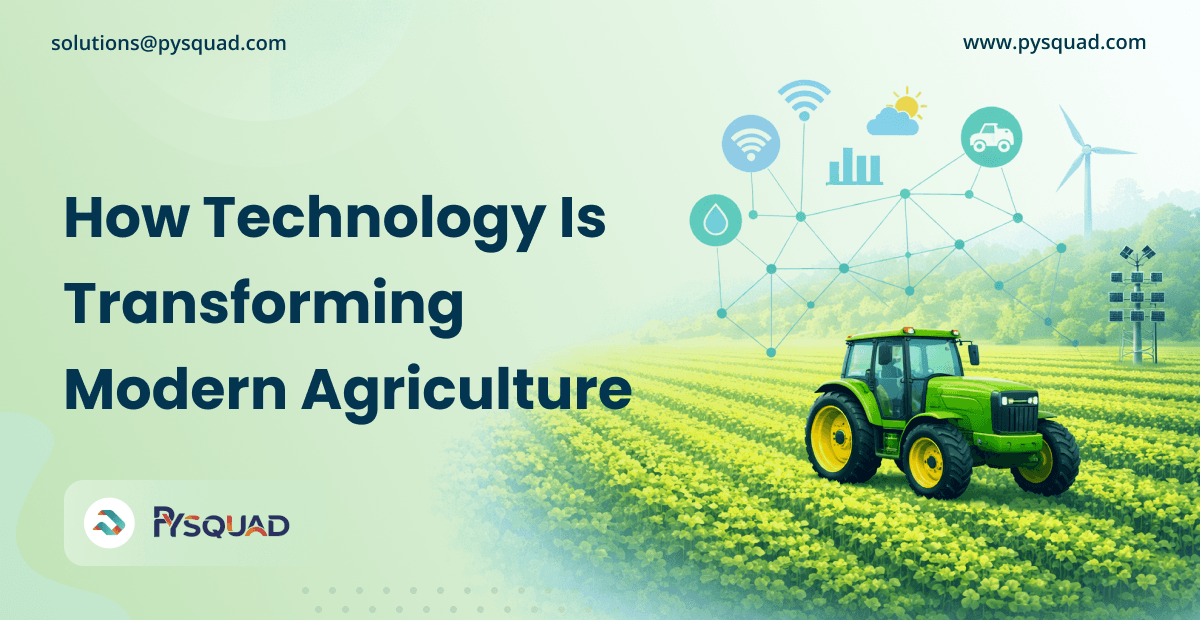
This shift is often referred to as Agritech, the integration of digital technology, data analytics, automation, and software platforms into agricultural operations.
From farm monitoring systems to digital supply chains, agritech is transforming how agriculture is managed.
Smarter Crop Planning with Data
Crop planning has traditionally relied on farmer experience and historical patterns. While experience remains valuable, modern agriculture now benefits from data-driven planning tools.
Digital agriculture platforms can analyze multiple factors such as:
• soil health and composition
• weather forecasts and seasonal trends
• historical crop performance
• pest and disease patterns
Using these insights, farmers and agribusiness managers can make better decisions about which crops to grow, when to plant, and how to manage resources.
This approach helps improve crop yields while reducing risks related to climate variability and market uncertainty.
Real-Time Farm Monitoring
Large farms and agricultural operations often cover extensive areas, making manual monitoring difficult.
Modern agritech solutions use sensors, satellite imagery, and monitoring systems to provide real-time visibility into farm conditions.
These systems can track important factors such as:
• soil moisture levels
• temperature and weather conditions
• crop health indicators
• irrigation performance
With real-time data, farmers can respond quickly to changing conditions and avoid problems that might affect crop production.
This level of monitoring improves operational efficiency and helps reduce unnecessary resource usage.
Improving Agricultural Supply Chains
Agriculture involves more than just production. It also includes storage, processing, distribution, and retail.
Agricultural supply chains are often complex, involving multiple stakeholders such as farmers, warehouses, distributors, exporters, and retailers.
Digital platforms can connect these stakeholders and provide better visibility across the entire supply chain.
Benefits of digital agriculture supply chains include:
• improved inventory tracking
• better demand forecasting
• reduced delays in distribution
• improved coordination between partners
These improvements help reduce waste and ensure agricultural products reach markets more efficiently.
Smart Resource Management
Farming requires careful management of resources such as water, fertilizers, and equipment.
Agritech solutions help monitor and optimize the use of these resources through smart systems.
Examples include:
• smart irrigation systems that adjust water usage based on soil conditions
• fertilizer management platforms that prevent overuse
• equipment monitoring tools that track machine performance
By using resources more efficiently, farmers can reduce operational costs while supporting more sustainable agricultural practices.
Data-Driven Decision Making
Modern agriculture generates large amounts of operational data.
Farm monitoring systems, supply chain platforms, weather services, and equipment sensors all produce valuable information.
However, data alone is not enough.
Digital agriculture platforms help transform this data into actionable insights that support better decision-making.
Farm managers can use analytics dashboards to understand:
• crop performance trends
• seasonal production patterns
• demand forecasts
• operational efficiency
With these insights, agribusinesses can plan production more effectively and respond faster to changing market conditions.
Supporting Farmers with Better Tools
Technology should not replace farmers. Instead, it should support the people who work every day to grow and manage food production.
Agritech systems are most successful when they are designed to simplify everyday workflows and reduce manual complexity.
Digital tools can help farmers:
• track farm operations more easily
• manage crop cycles more effectively
• reduce time spent on administrative tasks
• make better operational decisions
When technology supports real agricultural workflows, adoption becomes easier and the benefits become clearer.
The Future of Agritech
Agriculture is entering a new phase of technological transformation.
Innovations such as artificial intelligence, satellite monitoring, precision farming, and digital supply chains are gradually reshaping the industry.
Future agritech developments may include:
• AI-powered crop analysis
• automated farm management platforms
• predictive analytics for crop planning
• integrated agriculture ERP systems
These technologies will help agribusinesses manage growing global demand while addressing environmental and sustainability challenges.
A Human-First Approach to Agricultural Technology
Behind every farm and agribusiness are people managing complex operations every day.
Technology should empower these individuals rather than create additional complexity.
A human-first approach to agritech focuses on:
• simple digital tools
• clear operational insights
• systems designed for real farming workflows
When technology works with farmers rather than against them, agriculture becomes more efficient and resilient.
Final Thoughts
Agriculture is evolving rapidly as new technologies reshape how farms and agribusinesses operate.
Agritech solutions are helping farmers plan crops more effectively, monitor farm conditions in real time, manage supply chains more efficiently, and make better data-driven decisions.
As global demand for food continues to grow, digital agriculture will play an increasingly important role in ensuring sustainable and efficient food production.
Organizations that adopt these technologies early will be better positioned to navigate the future of modern agriculture.
FAQs: Agritech and Digital Agriculture
What is agritech?
Agritech refers to the use of digital technologies such as sensors, data analytics, software platforms, and automation tools to improve agricultural productivity and efficiency.
How does technology help farmers?
Technology helps farmers monitor farm conditions, manage resources efficiently, plan crops more accurately, and make data-driven decisions.
What are examples of agritech solutions?
Examples include farm management software, smart irrigation systems, crop monitoring sensors, agriculture ERP platforms, and digital supply chain systems.
Why is digital agriculture important?
Digital agriculture helps improve productivity, reduce resource waste, and support sustainable farming practices while meeting growing global food demand.