Dispatch, drivers, and billing on one trip record.

We help transport teams plan, run, and invoice the same job, so growth does not mean more phone calls and missing paperwork.

Who this is forFleet ownersRoad freight operatorsDedicated transport networks

01 / How the industry runs

How a transport operation closes a trip

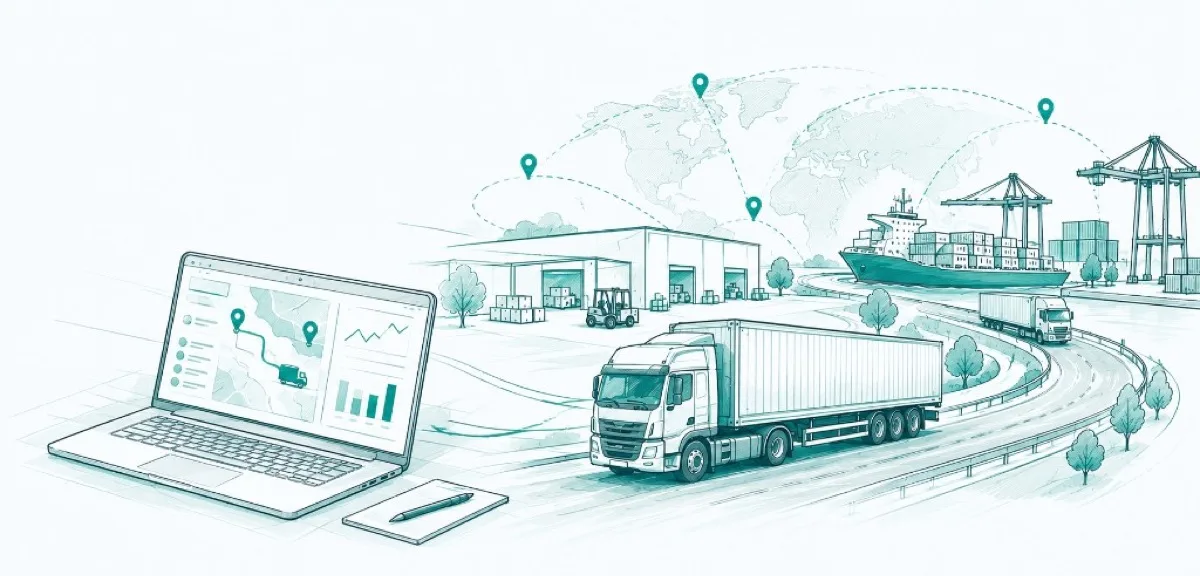
Planning, the driver, and billing are one job. Software helps when the accepted trip, the proof, and the invoice all point at the same record.

  1. 01

    Plan the trip

    Orders, equipment, hours, and customer windows become a feasible allocation.

  2. 02

    Dispatch the fleet

    Drivers receive the current instruction, not a stale printout.

  3. 03

    Track execution

    Location, exceptions, and proof attach to the trip as it happens.

  4. 04

    Reconcile billing

    Completed work becomes an invoice only when evidence and charges match.

02 / What we build

Software we build for transport management.

Pick a capability. You’ll see the modules and features that usually sit inside it, scoped to the operation you run, not a generic platform.

01

Capability

Transport management system

Orders, planning, dispatch, tracking, and settlement in one operations layer built for your network. Not a generic TMS skin.

  • Order intake and rating hooks
  • Planning boards by lane and fleet
  • Trip lifecycle and status model
  • Settlement and dispute queues
Talk about this capability

03 / Use cases

Jobs this software is built to finish.

These are the operating jobs buyers recognise. Not abstract transformation themes.

01

Dispatch that respects today’s constraints

Show location, readiness, and committed work before the next allocation is confirmed.

02

One instruction in the cab

Keep the accepted plan, updates, and delivery evidence on the same trip.

03

Invoice-ready the day of delivery

Match POD and agreed charges to the trip before anyone raises an invoice.

04

Customer tracking without a separate story

Publish the same milestones operations already record.

04 / Who uses it

Built for the people who run the day.

Each role gets a working surface. Not a report they have to reconstruct.

01

Dispatch

A feasible allocation view: location, hours, equipment, and committed work.

02

Drivers and field teams

The current instruction, documents, and a way to report what changed.

03

Commercial and finance

A trip that is either ready to bill or has a named gap.

05 / How it connects

Fits the systems you already run.

We sit beside the systems that already rate, warehouse, and track, then make the trip the system of record.

Systems we typically connect

  • GPS and telematics
  • Driver applications
  • Freight and finance
  • ERP and WMS

Designed into the build

  • Hours-of-service evidence
  • POD and claim documents
  • Role-based customer tracking

06 / AI in this industry

Useful on one job first.

We apply AI to a task your team already owns. A person still reviews anything that changes money, safety, or a customer promise.

Explore AI Services
Application 01

Read delivery evidence

Suggest references from uploaded proof; a reviewer confirms discrepancies.

Application 02

Explain trip variances

Summarize planned versus actual events; planners approve operational changes.

07 / What operators tell us

The friction sits in the handoff.

A short read of why these systems get commissioned. The work above is what we actually build.

01

Capacity you cannot see

Vehicles are free; planners do not trust location or readiness.

02

The plan changes after dispatch

The driver is working from an older instruction than the desk.

03

Delivery is done. Billing is not.

Proof and accessorials live in different inboxes.

08 / How we deliver

A first slice your team can judge.

We start from the workflow and systems you already run, then release something operators can accept or send back.

01

Map the operating workflow

Users, systems, and the first capability worth shipping, named with the people who run it.

02

Define the first release

Scope, data ownership, integration boundaries, and how your team will accept the work.

03

Build with the operators

Working software in the real workflow, including the exception paths people actually take.

04

Launch, measure and extend

Rollout, support, and the next capability against the measures you already collect.

Want this scoped to your operation?

Discuss your requirements

Questions

Before you write to us.

What is transport management software?

It is software that helps carriers, 3PLs, and shippers plan loads, dispatch fleets, track trips, capture POD, and settle freight, with clear visibility for planners, drivers, and customers.

How is transport management different from logistics software?

Transport management focuses on TMS, fleet, dispatch, routing, and trip execution. Broader logistics work often also covers WMS, 3PL warehouse portals, and end-to-end supply chain visibility. We keep those journeys on separate pages so each buyer gets clear scope.

Can you integrate with ERP, WMS, telematics, or carrier APIs?

Yes. We commonly connect ERP, WMS, rating engines, telematics or ELD feeds, and carrier APIs so planning, execution, and settlement stay aligned.

Where does AI help in transport operations?

Useful starting points include ETA prediction, exception prioritization, smarter load-to-capacity matching, and route suggestions that planners can accept or override.

Do you build greenfield TMS platforms or extend what we already have?

Both. Some teams need a new TMS layer; others need dispatch tools, driver apps, analytics, or integrations around an existing system. We start with discovery so the build plan matches your constraints.

Start with your requirements

Let’s define your next step.

Tell us what needs to work better in transport management, the systems you use, and the scope you have in mind.

Discuss your requirementsShare your requirements through our enquiry form.

Selected work

Complex operations.
Thoughtfully engineered.

Featured blogs

Technology, automation, AI, and how digital products actually get built.

‌
‌
‌
‌
‌
‌
‌
‌
‌
‌
‌
‌